
Why Remodeling an Older Home Is Different
San Diego is full of homes with history. From mid-century ranches in La Mesa to Craftsman bungalows in North Park and Spanish-style gems in Coronado, older properties have a charm that newer construction simply can't replicate. But when it's time to remodel, that charm can come with a few surprises.
Renovating a home built before the 1980s isn't the same as updating a tract home from 2005. The materials are different, the building codes have changed dramatically, and there are structural considerations that don't apply to newer builds. Understanding these challenges before you start can save you thousands of dollars, weeks of delays, and a lot of unnecessary stress.
At Stone Creek Foundation, we've remodeled homes across San Diego spanning every era of construction. Here's what we tell homeowners before they commit to a renovation on an older property.
Expect the Unexpected Behind the Walls
One of the biggest differences between remodeling a newer home and an older one is what you find once demolition begins. Behind the plaster, beneath the floors, and above the ceilings, older homes can hide issues that aren't visible during a walkthrough.
Common discoveries include:
- Outdated electrical wiring — Knob-and-tube wiring or aluminum wiring was standard in many homes built before the 1970s. Both present safety concerns and typically need to be replaced during a remodel.
- Galvanized or lead plumbing — Older pipes corrode from the inside out, reducing water pressure and potentially affecting water quality. A bathroom or kitchen remodel is often the right time to address this.
- Asbestos and lead paint — Homes built before 1978 may contain lead-based paint or asbestos in flooring, insulation, or textured ceilings. Professional testing and abatement are required before renovation work can proceed safely.
- Structural settling or damage — Decades of shifting soil, moisture intrusion, or past termite activity can affect framing, subfloors, and foundations in ways that aren't obvious until walls are opened up.
None of these issues are deal-breakers, but they do affect your timeline and budget. A good remodeling contractor will help you plan for contingencies so you're not blindsided.
Building Codes Have Changed — A Lot
When your home was originally built, it met the codes of its time. But San Diego's building codes have evolved significantly, especially around electrical capacity, energy efficiency, seismic safety, and egress requirements.
When you remodel a portion of an older home, the city may require you to bring certain systems up to current code. For example, a kitchen remodel might trigger the need for updated electrical panels, GFCI outlets, or improved ventilation. A bathroom renovation could require new plumbing venting or water-efficient fixtures to meet California's Title 24 energy standards.
This doesn't mean the city will force you to gut the entire house. Code upgrades are typically limited to the scope of your project. But it's important to factor these requirements into your planning so your budget reflects reality from the start.
Permits Matter More Than You Think
Some homeowners are tempted to skip permits on older homes, especially for projects that seem straightforward. This is a mistake for several reasons.
First, unpermitted work can create serious problems when you sell your home. Buyers and their inspectors will notice additions or modifications that don't match city records, and it can delay or derail a sale.
Second, permits exist to protect you. Inspections ensure that electrical, plumbing, and structural work is done safely and correctly. In an older home where existing systems may already be compromised, this oversight is even more valuable.
A reputable San Diego remodeling company will handle the permitting process for you, including navigating the specific requirements of whichever jurisdiction your home falls under — whether that's the City of San Diego, Chula Vista, El Cajon, or National City.
Preserving Character While Modernizing Function
One of the most rewarding aspects of remodeling an older home is the opportunity to honor its original character while making it work for modern life. This is where thoughtful design and experienced craftsmanship really matter.
Here are a few ways to strike that balance:
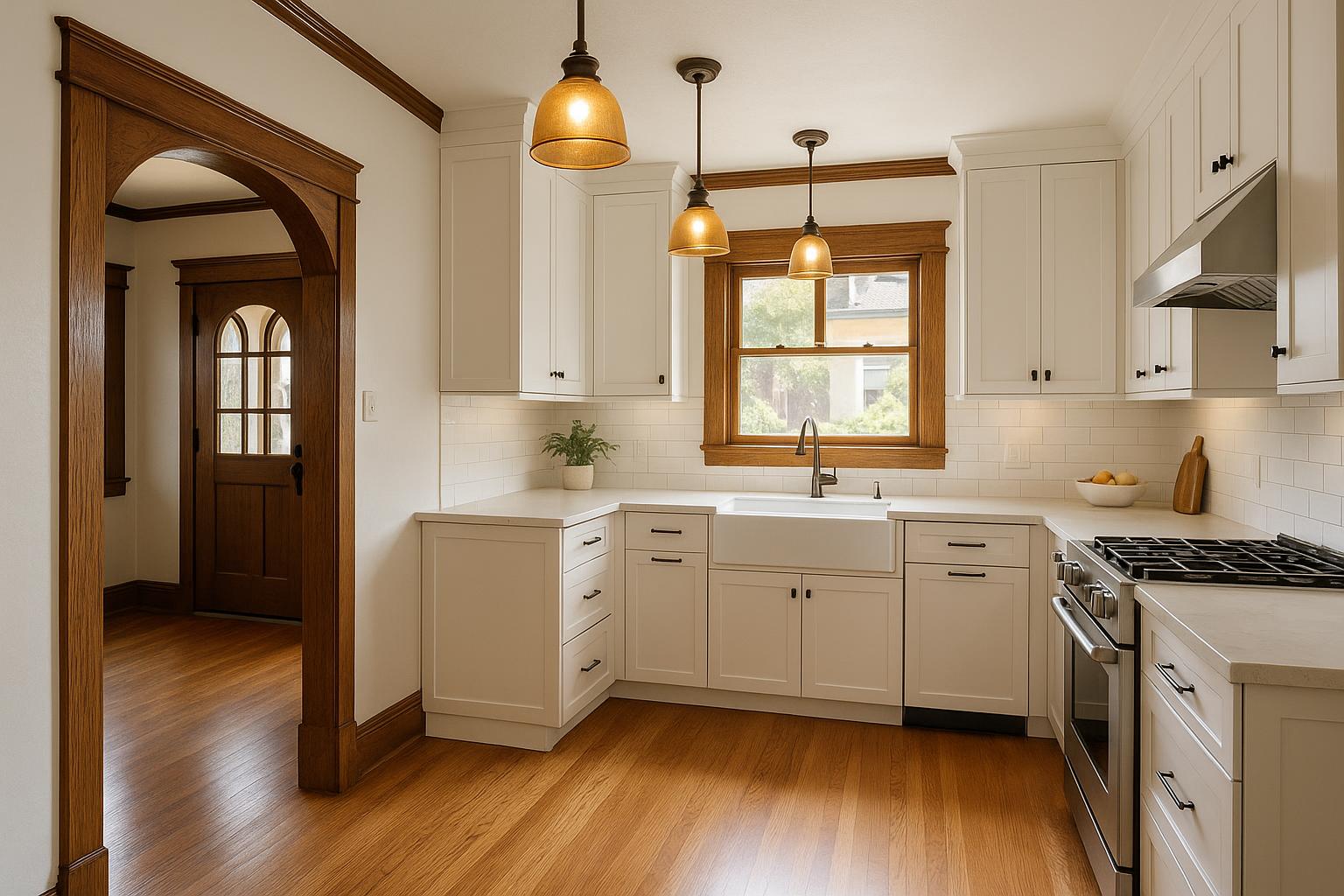
- Keep architectural details that define the home's style. Original moldings, built-in cabinetry, arched doorways, and hardwood floors can often be restored rather than replaced.
- Update kitchens and bathrooms for function without erasing the home's personality. A period-appropriate tile pattern or cabinet style can feel both fresh and authentic.
- Improve the layout without losing the home's proportions. Older homes often have smaller, more compartmentalized rooms. Opening up a wall or two can create better flow while preserving the scale that makes the home feel right.
- Add modern systems invisibly. New HVAC, recessed lighting, and smart home wiring can all be integrated without changing the look and feel of a vintage home.
The goal isn't to make your 1940s home look like it was built yesterday. It's to make it live like it was built yesterday while looking like the home you fell in love with.
Budget Realistically for an Older Home Remodel
Remodeling an older home in San Diego generally costs more per square foot than renovating a newer one. That's not because contractors are overcharging — it's because the work is genuinely more complex.
Custom solutions are often required where standard products won't fit. Walls aren't always plumb, floors aren't always level, and nothing is standardized the way it is in modern construction. Skilled tradespeople need more time to work with — and around — existing conditions.
Our advice is to set aside a contingency budget of at least 15 to 20 percent above your estimated project cost. This gives you a cushion for the surprises that almost always come with older homes, without forcing you to make rushed decisions or cut corners.
Choose a Contractor Who Understands Older Construction
Not every remodeling contractor has experience with older homes, and that experience matters. Working with plaster instead of drywall, navigating outdated framing techniques, and understanding how to integrate new systems with old ones requires a specific skill set.
When you're interviewing contractors, ask about their experience with homes from your era. Ask to see examples of similar projects. And pay attention to how they talk about the challenges — a contractor who respects the complexity of older homes will give you more honest estimates and fewer surprises down the road.
Your Older Home Deserves a Thoughtful Renovation
San Diego's older homes are part of what makes this city's neighborhoods so special. Whether you're in a postwar bungalow in La Mesa or a 1920s cottage near Balboa Park, your home has a story worth preserving.
At Stone Creek Foundation, we approach every older home remodel with the care and expertise it requires. We'll help you understand what to expect, plan for the realities of vintage construction, and deliver a finished result that feels like your home — only better.
If you're thinking about remodeling an older home in San Diego, we'd love to talk through your project. Reach out to our team for a consultation, and let's figure out the best path forward together.